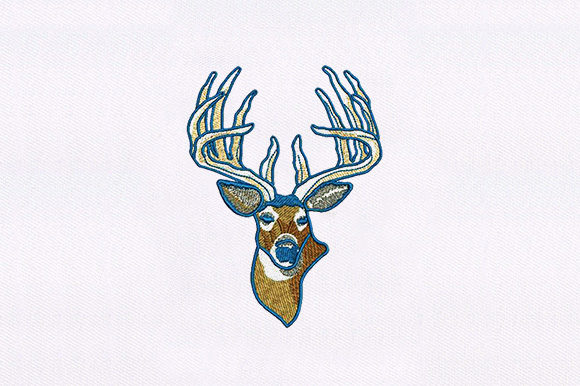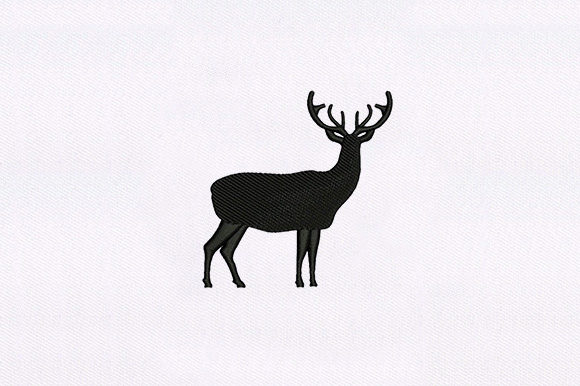
Lonely Deer Embroidery Design
First Impressions of Lonely Deer
As an experienced embroidery designer, I was immediately drawn to the Lonely Deer design for its quiet, contemplative mood and striking visual appeal. The piece captures a solitary deer in a woodland setting, evoking a sense of calm and natural beauty. The level of detail is impressive, with subtle textures and shading that add depth to the overall composition.
This machine embroidery design has a unique stitching personality, blending delicate satin stitch with soft fill stitch elements. It’s ideal for projects that require a touch of elegance and storytelling, such as personalized gifts or handmade home decor.
Practical Use in Real Projects
When considering Lonely Deer for real-world use, it fits naturally into a variety of custom apparel and embroidered patch applications. Whether it’s a tote bag design, a sweatshirt embroidery, or a baby blanket, the design adapts well to different fabric types and project scales.
For small hoop sizes, the design maintains clarity without losing its intricate details. However, if you're working with a larger project, you may need to adjust the hoop size accordingly. The stitch density is well-balanced, making it suitable for both lightweight and heavier fabrics.
One thing to note is that the design includes some tiny lettering and layered details. These elements can be challenging on stretchy or textured fabrics, so testing on scrap fabric before final use is highly recommended. Proper stabilizer application will help maintain the integrity of the design, especially on dark or light-colored materials.
Performance on Different Fabrics
Lonely Deer performs well on a range of fabrics, from cotton and linen to denim and knits. When working with dark fabric, using contrasting thread colors can enhance visibility and bring out the design’s nuances. On light fabric, the design appears more delicate and refined.
For curved surfaces like caps or pillow covers, the design holds up well, though careful attention to the hoop size and stitch direction is necessary to avoid distortion. If you're planning to use this digital embroidery file for commercial embroidery, make sure to review the file formats provided—10O, ART, CND, DSB, DST, DSZ, EXP, HUS, JEF, PCS, PEC, PES, TAP, VIP, VP3, XXX offer flexibility across most embroidery machines.
Impact on Product Value and Presentation
Using Lonely Deer in your handmade product line can elevate the perceived value of your items. Its artistic quality makes it ideal for personalized gift items, such as aprons, kitchen towels, or seasonal decorations. The design also adds a cohesive look to brand consistency, especially if you’re targeting a nature-inspired or rustic aesthetic.
In terms of product photography, the design’s visual appeal shines through, making it easier to create engaging printable mockups for your Etsy listings or craft fair displays. Customers are more likely to engage with products that have a clear story or emotional connection, and Lonely Deer delivers on that front.
Considerations for Commercial Use
If you're planning to sell items featuring Lonely Deer, ensure that you understand the licensing terms associated with the Creative Fabrica embroidery file. While the design itself is versatile, the rights to reproduce and sell finished items may vary depending on the specific license purchased.
For commercial embroidery projects, it’s important to test the design on multiple fabric types and consider how it will hold up after repeated washes. Some applique design elements may require additional reinforcement to prevent fraying or distortion over time.
Final Thoughts on Lonely Deer
Overall, Lonely Deer is a thoughtful and visually appealing machine embroidery design that offers a range of creative possibilities. Its balance of detail and practicality makes it a valuable addition to any design assets library, especially for those working on woodland animals themed projects.
Whether you're an Etsy seller, a small business owner, or a creative entrepreneur, this design has the potential to enhance your product offerings and attract customers looking for unique, handmade items. Just remember to follow best practices for stitch density, thread color contrast, and proper stabilizer use to ensure the finished product meets your expectations.